Memory Care at Charlotte Ciscayne: Family Resource
Quality Senior Care Services: Caring Support for Elderly Loved Ones
Quality geriatric care offerings represent an necessary role in assisting aging relatives. They supply customized care plans that address unique needs and build emotional connections. This method not only enhances respect and well-being but also diminishes solitude. Relatives often desire confidence that their relatives receive caring care. As they investigate the available choices, several key factors matter. Grasping these can greatly impact the selection journey.
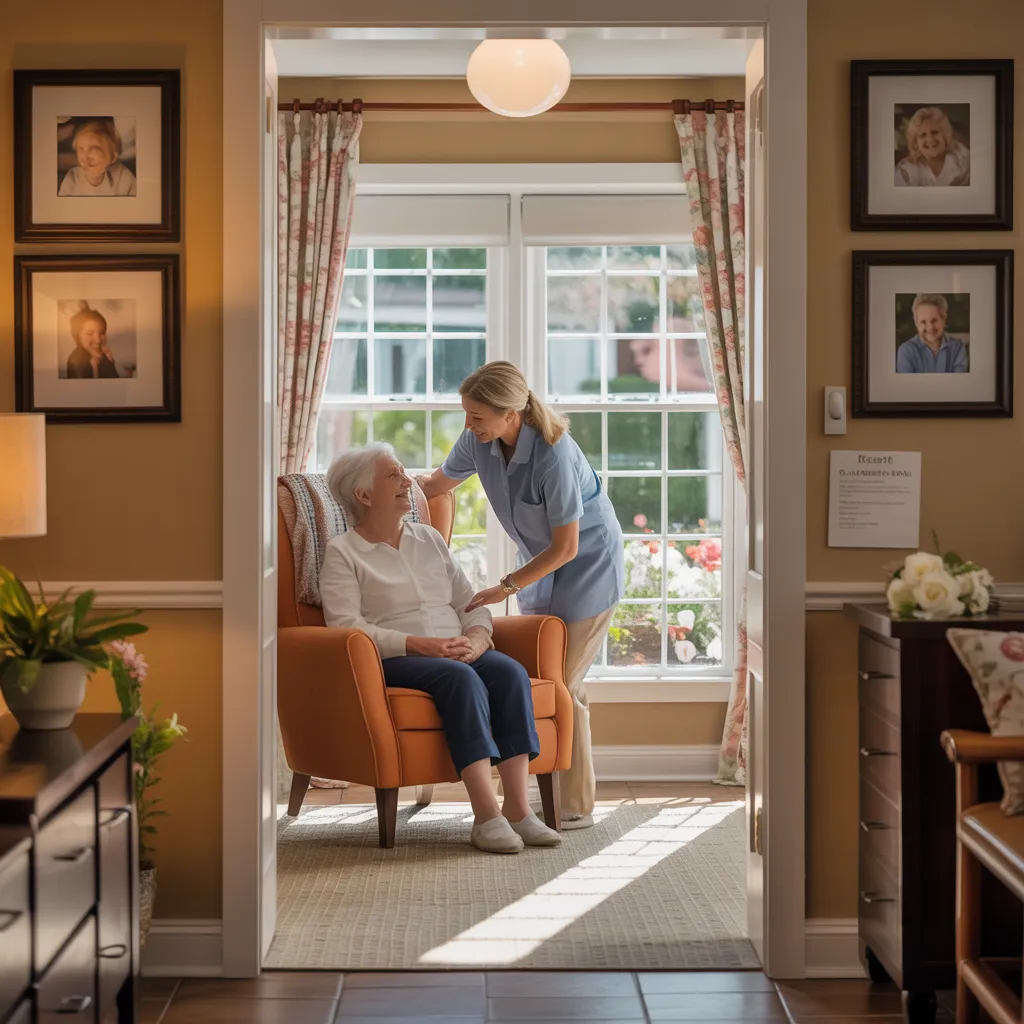
Why Best Care for the Elderly Proves Vital for Your Loved Ones
Quality elderly care is essential for ensuring that elderly individuals preserve their dignity, health, and overall quality of life. As people age, they often undergo physical and cognitive changes that can diminish their independence. Access to quality care helps address these challenges, providing support tailored to individual needs. This care not only assists with daily activities but also promotes emotional connections, minimizing feelings of isolation and loneliness that many seniors face.
Moreover, quality senior care promotes health through routine medical supervision, immediate interventions, and tailored wellness initiatives. Such places inspire social engagement and cognitive enrichment, contributing to a higher quality of life. Families can rest assured knowing their relatives are receiving dedicated care, which is vital during this sensitive life stage. Committing resources to quality senior care ultimately benefits not just the elderly but also their family members, reinforcing bonds and establishing a supportive network.
Key Elements to Examine in Senior Care Services
Determining senior care programs shows that key features powerfully determine the caliber of care given. Individualized care plans assure that each person's unique requirements are met, while experienced caregivers and staff foster a secure and supportive environment. These vital components form the bedrock for empathetic and effective senior care.
Tailored Care Programs
Personalized care plans are indispensable for confirming that seniors get tailored care that meets their unique preferences. These plans should begin with a complete assessment of the individual's overall health, desires, and daily routine. Factors such as prior medical conditions, recreational involvement, and psychological state must be considered to create an impactful methodology. Responsiveness is paramount; as seniors' circumstances transform, their support frameworks should be periodically reviewed and fine-tuned. Furthermore, collaboration between relatives and care providers enhances the approach's effectiveness, advancing a integrated structure. Choosing senior services that focus upon individualized care plans guarantees that elderly loved ones gain the specific support they require, cultivating self-worth and standard of living in their advanced years.
Trained Caregivers and Personnel
Trained caregivers and staff play an vital role in delivering quality senior care services. Their expertise not only guarantees the safety and well-being of elderly individuals but also enhances their living standards. It is critical to look for caregivers who are certified in areas such as first aid, CPR, and specialized elderly care techniques. Empathy, patience, and strong communication skills are equally important traits, as they foster trust and comfort for seniors. Additionally, ongoing training in evolving care practices helps staff stay updated on best practices. The presence of a supportive team environment among caregivers is crucial, as it promotes collaboration and consistent care. Ultimately, well-trained staff greatly contribute to a positive and nurturing atmosphere for aging loved ones.
Guide to Finding the Right Senior Care Service for Your Loved One?
How can households guarantee they choose the most appropriate senior care service for their loved ones? To begin, they should assess the individual requirements of their loved ones, considering elements such as health conditions, physical capability, and personal preferences. Investigating different care alternatives—ranging from in-home care to senior living facilities—is essential. Families should focus on communities with highly qualified staff, positive reviews, and proper certification.
Check out potential care options to evaluate the environment and observe relationships between attendants and inhabitants. Raising pointed questions about staff-to-resident ratios, emergency protocols, and available services can supply beneficial understanding. In addition, household members should consider the location, as proximity can determine guest visits and assistance levels.
Ultimately, planning for care expenses is indispensable; being aware of costs and financial resources can support selecting the right choice. By executing these steps, households can verify they secure a senior care service that addresses their family member's distinct needs and context.
The Significance of Companionship in Care for Seniors
Social interaction plays an important role in enhancing the overall well-being for seniors in care settings. Relationship bonds considerably shape psychological wellness, supplying seniors with a sense of belonging and fulfillment. When individuals participate in purposeful social engagement and events, they experience diminished emotional distress and melancholy.
In addition, social companionship promotes mental engagement, encouraging seniors to exchange tales and recollections, which can enhance memory and cognitive function. Care providers who offer companionship often assist seniors preserve their autonomy by motivating participation in activities that support physical wellness and social connection.
Additionally, having a companion can alleviate the shift into care settings, ensuring the environment feels more agreeable. This emotional encouragement can be life-affirming during challenging times, guiding seniors navigate emotions surrounding loss and change. Ultimately, companionship is not just a amenity; it is a fundamental component of holistic senior care that nurtures both the mind and spirit.
Grasping Older Adult Care Financial Obligations
Emotional support given through companionship in senior care environments is frequently linked with a major financial concern: the costs tied to senior care services. These expenses can differ greatly depending on factors such as the type of care required, location, and the level of service provided. In-home care, assisted living, and nursing homes have varying pricing models, where in-home care is usually less costly than institutional care.
Moreover, the fee may indicate the background of caregivers, the degree of difficulty of care needed, and the services provided. Families should also include possible hidden costs, such as travel and supplies. Grasping these budgetary matters is vital for families planning ongoing care services for their loved ones. By obtaining clarity on the likely expenses, families can decide wisely that fit their budget and care desires, ensuring their loved ones receive the vital assistance.
How to Validate Senior Care Providers Qualifications?
When selecting a elderly care service, it is essential to confirm their credentials to ensure excellent service. This involves reviewing licensing requirements, evaluating their experience and education, and verifying their insurance protection. Each of these elements adds to a thorough understanding of the service's credentials and dependability.
Review Licensing Obligations
Many households seeking senior care services place emphasis on verifying the credentials of likely care agencies. A vital stage in this method is evaluating the licensing requirements specific to the state or region. Each state has its own regulations directing senior care facilities and in-home care providers, ensuring they conform to certain standards of care and safety. Families should consult their state's health department or health department to validate that the organization holds the essential licenses and certifications. Additionally, it is significant to validate if there have been any complaints or punitive measures against the care professional. This attentiveness helps families make thoughtful choices, ensuring their loved ones benefit from care from capable and rule-following service providers.
Analyze Experience and Training
After checking licensing requirements, families should prioritize reviewing the expertise and background of senior care providers. It is important to ask for the provider's background, including length of experience and specific areas of expertise. Families may seek out recommendations or comments from previous clients to gain insights into the provider's dependability and standard of care. In addition, checking educational credentials and any advanced education, such as certifications in geriatric care, can further confirm the provider is properly trained to meet the specific requirements of seniors. Engaging in discussions about continuous training or professional development can also show the provider's commitment to maintaining high standards in senior care. This comprehensive evaluation helps families make educated decisions.
Authenticate Coverage Insurance
How can households ensure that their chosen senior care provider is adequately covered? Verifying coverage protection is crucial in this process. Families should request proof of insurance from potential providers to confirm they have adequate liability coverage. This includes general liability and professional liability insurance, which protects against claims related to negligence or negligence. Additionally, families should confirm that the provider's insurance is current and not expired. It's advisable to ask for details concerning the policy limits and coverage find now specifics. Moreover, verifying for any state licensing requirements can add another layer of security. By carefully verifying these credentials, families can reach well-reasoned choices and guarantee their aging loved ones receive the care they deserve in a safe environment.
Strengthening Personal Agency and Pride in Mature Care
Supportive environments that promote movement and access are essential. Modifications in home environments, such as grab bars and accessible ramps, can significantly enhance security while allowing seniors to maintain control over their environment. Furthermore, building social connections through community activities can combat loneliness, further promoting dignity.
Training care providers to approach seniors with dignity and empathy is crucial. By recognizing the importance of preserving autonomy, caregivers can help seniors manage their daily lives with assurance. Ultimately, a empathetic and personalized method to senior care can significantly improve both self-reliance and respect for elderly family members.
Frequently Asked FAQs
What Are the Warning Signs Your Loved One Necessitates Senior Care?
Symptoms that a family member requires elderly care consist of noticeable memory loss, difficulty performing everyday tasks, changes in behavior or mood, physical deterioration, and increased isolation. Recognizing such indicators can spur necessary support and intervention.
What Impact Can Technology Play in Improving Senior Care Services?
Technology can boost senior care services by enabling remote surveillance, bettering communication with healthcare professionals, allowing access to telemedicine, and providing tools for drug administration, thereby ensuring seniors obtain timely and effective care tailored to their circumstances.
Which Categories of Pursuits Improve Mental Health in Seniors?
Taking part in endeavors including puzzles, reading, gardening, and social interactions can markedly improve mental health in seniors. These pursuits activate cognitive abilities, promote emotional well-being, and establish relationships, ultimately elevating their overall quality of life.
What Specialized Resources Exist for Elderly People With Dementia?
Yes, dedicated care options for seniors with dementia include memory care facilities, personalized therapeutic programs, and trained caregivers who deliver organized programs, guaranteeing safety while enhancing mental stimulation and emotional well-being customized for individual needs.
How Might Families Support Senior Care Givers?
Families can support senior care providers by maintaining open communication, offering help with arrangements, providing input, and showing appreciation. This joint method develops a positive environment, enhancing quality of care for seniors in need.